Best gardeners in Tooting SW17 insider tips for small backyards
Posted on 10/10/2026
If you have a small backyard in Tooting, you already know the challenge: not quite enough room to do everything, but just enough space to make bad planning painfully obvious. The good news? A compact garden can feel elegant, useful, and surprisingly roomy when it is designed well. These Best gardeners in Tooting SW17 insider tips for small backyards are built around real-life constraints like overlooked shade, awkward fences, narrow access, and the sort of everyday clutter that seems to multiply overnight.
This guide pulls together practical ideas used by experienced local gardeners: how to open up a tight space, choose plants that earn their keep, create privacy without making the garden feel boxed in, and avoid the small mistakes that make backyards feel even smaller. Truth be told, the best results usually come from a few smart decisions rather than a full overhaul.
Whether you want a low-maintenance retreat, a child-friendly patch, a place for morning coffee, or simply a backyard that feels tidier and more intentional, you will find a clear path here.
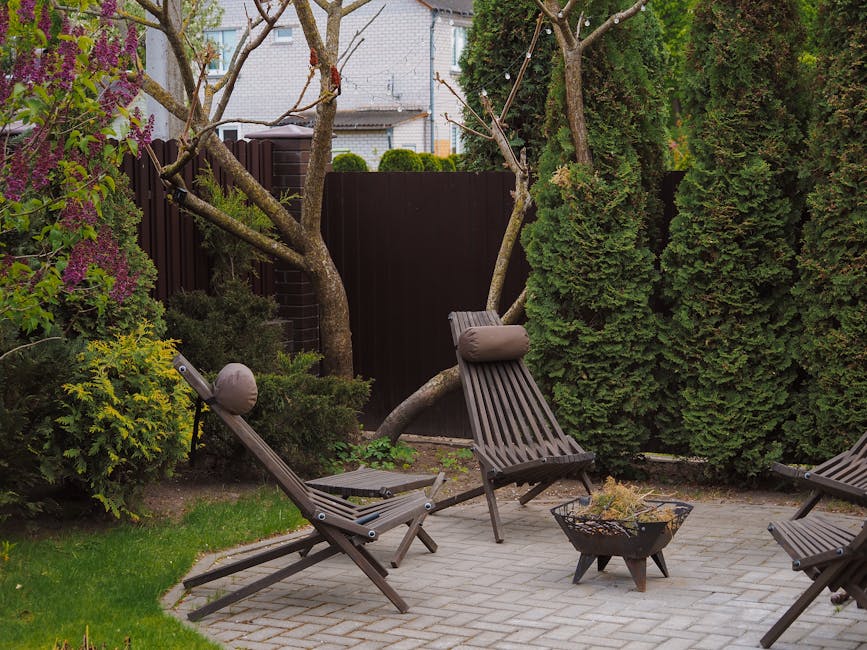
Why Best gardeners in Tooting SW17 insider tips for small backyards Matters
Small backyards are unforgiving. One oversized planter, one clunky seating set, or one hedge planted in the wrong place can make the whole space feel cramped. In SW17, where gardens often sit behind terraced homes, side returns, or compact patios, the margin for error is tiny. That is why local experience matters so much.
The best gardeners understand more than planting. They read the space. They notice where the sun lands at 9 a.m., where the damp patches sit after rain, and how people actually move through the garden in daily life. That kind of judgement is what separates a garden that simply exists from one that genuinely works.
It also matters because small gardens tend to accumulate problems faster than larger ones. A little ivy can become a wall-covering nuisance. A bit of poor drainage can make the whole space unusable. A hedge trimmed too hard can leave you with an ugly fence line for months. Small spaces expose the bad choices quickly, which is annoying, but also useful: you can fix a lot with a focused plan.
If privacy is high on your list, there are natural ways to screen views without building a fortress. The advice in privacy screening with natural elements and fast-growing hedge ideas is especially helpful for tight gardens where every centimetre counts.
How Best gardeners in Tooting SW17 insider tips for small backyards Works
The approach is simple in principle, but careful in practice. A good small-backyard plan starts with space mapping, then moves into layout, planting structure, surface choices, and maintenance. The goal is not to cram more in. It is to make the space feel larger, calmer, and easier to use.
In a typical Tooting backyard, a strong plan usually follows this order:
- Measure and observe. Look at dimensions, light levels, drainage, privacy, and access.
- Strip out clutter. Remove dead growth, broken pots, old turf patches, or anything that makes the eye stop too early.
- Decide the purpose. Do you want dining, play, planting, storage, or a mix?
- Build vertical interest. Use fences, trellis, climbers, and taller plants to lift the eye.
- Keep the ground simple. Choose one or two surface types rather than five.
- Plant in layers. Use structure at the back, mid-height planting in the middle, and lower planting or ground cover at the front.
- Plan maintenance early. A tidy garden is easier to keep tidy if the planting choices are sensible from day one.
That layering idea is a big one. It is one reason vertical gardening techniques work so well in compact urban gardens. You are using height, not footprint, and that changes everything.
There is also the practical side. Small gardens in London can suffer from shade, wind tunnelling, and heavy foot traffic. The smartest gardeners do not fight the site. They design around it. Sometimes that means choosing tougher plants. Sometimes it means rethinking the seating area. Sometimes it simply means accepting that the best place for a herb bed is not the prettiest corner, but the one with the most reliable light. Bit of a compromise, yes. Usually worth it.
Key Benefits and Practical Advantages
A well-designed small backyard gives you more than just a prettier view. It changes how the home feels day to day. When done properly, the garden starts behaving like an extra room rather than a leftover patch.
- It feels larger. Clear lines, smart planting, and a simpler layout create breathing space.
- It is easier to maintain. Less clutter and fewer fussy plants mean less weekend catch-up work.
- It becomes more usable. Even a tiny area can hold seating, planting, or storage if the design is disciplined.
- It improves privacy. Thoughtful screening can reduce overlooking without making the space gloomy.
- It supports better planting choices. In a small area, every plant needs to earn its place.
- It can be more sustainable. Smaller spaces are often easier to irrigate, compost, and maintain with less waste.
There is another advantage people often forget: confidence. Once the garden feels manageable, you tend to look after it more. Then it improves again. A tidy little loop. And yes, that is the point where even a patch of paving starts to look intentional.
For readers who want a budget-conscious start, the ideas in affordable and effortless garden solutions can help you get more impact without turning the project into a drain on time or money.
| Design choice | Effect in a small backyard | Best used when |
|---|---|---|
| Vertical planting | Adds height without using floor space | You need privacy, colour, or softening of fences |
| Container gardening | Flexible and easy to reposition | Light, drainage, or layout is uncertain |
| Ground cover | Reduces weeds and makes the space feel cohesive | You want low-maintenance coverage |
| Built-in seating | Saves space compared with loose furniture | The garden needs a social zone |
| Simple screening | Improves privacy without visual heaviness | Overlooking or fence gaps are an issue |
Who This Is For and When It Makes Sense
This approach suits a wide range of homeowners and renters in Tooting, especially anyone working with a backyard that feels more awkward than abundant. If your space is narrow, shaded, overlooked, sloped, or broken up by old hard landscaping, you are exactly the sort of person who benefits from a smarter plan.
It makes sense if you are:
- trying to make a modest garden feel calmer and more inviting
- hoping to add seating without losing planting space
- dealing with patchy lawn, weeds, or tired borders
- looking for privacy from neighbouring windows
- interested in low-maintenance planting
- planning a family-friendly or pet-friendly layout
- preparing a rental property or resale-ready outdoor space
It is also useful if you do not want a dramatic makeover. Some gardens just need recalibration. You might not need a full rebuild, only better structure, cleaner edging, and a better planting palette. If your garden already has decent bones, that is a blessing. The work becomes more about refinement than rescue.
If you are at the beginning stage, starting steps for a garden makeover is a sensible companion read before you choose plants or materials.
Step-by-Step Guidance
1. Start with a brutally honest site review
Walk the space slowly. Note the wet spots, the dark corners, the areas that feel too open, and the bits you never use. In small backyards, assumptions are expensive. Better to see the awkward corners clearly from the start.
2. Decide the garden's main job
Ask a simple question: what should this garden do first? A small backyard cannot be everything at once. If it is mainly for relaxing, prioritise seating and scent. If you want to grow edibles, prioritise sun and containers. If privacy is the main issue, screen first and decorate second. Not glamorous, but very effective.
3. Remove visual clutter
Old pots, mismatched accessories, broken trellis, and unused furniture all shrink a garden visually. A quick clear-out can transform the space before any planting starts. That is often the cheapest improvement, honestly.
4. Build upward
Fence-top planting, climbers, and trained shrubs help the eye move up and out. That gives the sense of more volume. For shady spaces, evergreen climbers for shady hideaways are a very practical option because they provide colour and coverage where many flowering plants struggle.
5. Choose a small number of strong plant groups
Three or four repeat plant families usually look better than lots of one-off plants. Repetition creates calm. It also stops the garden from feeling fussy, which matters more than people think.
6. Add one focal point
It could be a small bench, a sculptural pot, a water bowl, or a beautifully framed planting area. One focal point is enough. In tiny spaces, too many features become visual noise.
7. Finish with low-maintenance detail
Use mulch, edging, and sensible weeding routines so the garden stays tidy. For weed management ideas that fit compact spaces, top techniques to control weeds is worth a look.
Expert Tips for Better Results
Here is where local experience really pays off. Small gardens reward restraint. They also reward a bit of cheeky problem-solving.
- Use fewer materials. One paving style and one planting language is often enough.
- Keep sightlines open. If a view line stops too soon, the garden feels shorter.
- Mix evergreen structure with seasonal colour. That way the garden does not collapse in winter.
- Go for containers if the ground is awkward. They are brilliant when root space, drainage, or rental conditions are uncertain.
- Trim with intent. A hedge left to wander will make a small garden look messier than it is.
- Use fragrance near seating. Herbs, lavender, or other gentle-scented plants make a tiny space feel richer and more lived-in.
- Think about light reflection. Pale walls, pale pots, and lighter surfaces can keep a compact garden from feeling cave-like.
There is a sneaky little trick many good gardeners use: they repeat height at opposite ends of the garden. A tall pot here, a trellis there. It creates balance and makes the boundaries feel more deliberate. Nothing fancy. Just smart.
For planting around structure, the guides on container gardening, a thriving herb garden, and ground cover wonders are especially handy because they solve different small-space problems without overcomplicating the layout.

Common Mistakes to Avoid
Small gardens are unforgiving enough already. These are the mistakes that tend to cause the most regret later.
- Overplanting. Too many species makes the space feel crowded and harder to maintain.
- Using oversized furniture. One chunky table can swallow the whole garden.
- Ignoring drainage. A lovely plan can fail fast if water pools after rain.
- Choosing thirsty or delicate plants for a difficult site. Pretty on day one, disappointed by week three.
- Letting hedges or climbers go unchecked. They may start politely, then suddenly become the entire boundary.
- Forgetting winter structure. A summer-only garden often looks bare and a bit sad by January.
- Creating too many zones. In a tiny garden, three clear functions are usually enough.
A surprisingly common issue is ivy. It can seem harmless at first, then cling to walls, fences, and neglected corners with impressive determination. If it is already getting away from you, effective strategies to eradicate ivy gives a sensible starting point.
And yes, everyone underestimates how fast a small garden can get messy. Everyone. It is almost a rite of passage.
Tools, Resources and Recommendations
You do not need a shed full of specialist kit to improve a small backyard, but a few reliable tools make the work cleaner and safer. Basic hand tools, a good pair of secateurs, a sturdy spade, a hand fork, a watering can or hose attachment, and decent gloves will cover most jobs.
For more involved garden work, it helps to use services that match the task rather than trying to force everything into one visit. In Tooting, that can mean combining garden maintenance in Tooting with targeted tasks like hedge trimming, lawn mowing, or lawn care if the garden still has turf worth keeping.
Here are a few practical recommendations:
- Use vertical supports. Trellis and climber frames are useful when floor space is tight.
- Choose planters with purpose. Match container size to root needs and the final height you want.
- Keep a pruning routine. Light, regular pruning is easier than emergency cutting back.
- Think about access. Narrow side passages can make waste removal and material delivery awkward, so plan accordingly.
- Protect the garden through cold weather. A little winter prep can save a lot of spring disappointment.
For winter-specific care, winterproof your garden plants effectively and safeguarding your garden against harsh weather are useful when you want to keep structure alive through the cold months.
If the garden has a stronger landscaping need, rather than just maintenance, the broader pages on landscaping in Tooting, decking services, and fencing can help you think in terms of structure as well as plants.
Law, Compliance, Standards and Best Practice
Most small backyard work is straightforward, but there are still sensible standards to follow. In the UK, gardeners and property owners generally need to think about safe access, neighbour boundaries, waste handling, and the condition of existing structures before starting anything major. If a tree is large, near a boundary, or affecting light and safety, professional advice is the cautious route. That is especially true if pruning could affect walls, sheds, or overhead lines.
Good practice also means checking that work is carried out safely and that any contractor is clear about liability, equipment use, and site cleanliness. For peace of mind, pages like insurance and safety and health and safety policy are worth reviewing before larger jobs begin.
Other useful trust signals include:
- clear pricing and written quotes
- transparent terms and conditions
- an accessible complaints process
- respect for privacy and property boundaries
- safe working practices around tools, heights, and heavy materials
It is also fair to expect a contractor to be upfront about what is included, what is not, and how changes are handled. Small gardens often look simple, but they can hide fiddly access issues. A good gardener will spot that early and explain it plainly, not bury it in jargon.
If you want more context about company standards and approach, the pages on about us, pricing and quotes, terms and conditions, cookie policy, privacy policy, and complaints procedure offer a useful trust layer.
Options, Methods, or Comparison Table
When space is tight, there is rarely one perfect answer. The best choice depends on how the garden is used and how much upkeep you can realistically handle. Here is a simple comparison of common approaches.
| Method | Best for | Pros | Trade-offs |
|---|---|---|---|
| Container-led design | Renters, awkward paving, flexible layouts | Easy to rearrange, tidy, low risk | Needs watering and occasional refreshing |
| Planting-led border design | Long-term homeowners who want softness | Natural look, seasonal depth, strong structure | Can feel crowded if planting is overdone |
| Privacy-led layout | Overlooked gardens and close neighbours | More secluded, better atmosphere | Can reduce openness if screening is too heavy |
| Low-maintenance hardscape-led design | Busy households and minimal upkeep | Simple to keep tidy, practical year-round | Needs planting accents to avoid looking stark |
My usual advice? If you are unsure, start with containers and structure first, then add permanent planting once you have lived with the space for a few weeks. That gives you breathing room. Literally and visually.
Case Study or Real-World Example
A typical Tooting example: a narrow backyard with tired lawn, patchy shade near the back wall, and a fence that made the space feel boxed in. The owners wanted somewhere to sit for tea in the morning and a bit of privacy from next-door windows. They did not want a full rebuild, just a smarter, calmer space.
The approach was fairly simple:
- the worst of the lawn was removed and the layout simplified
- the back fence was softened with climbers and a slim trellis run
- containers were used to give height without taking up too much floor space
- one compact seating area replaced a bulky table set
- ground cover and mulched borders reduced the amount of weed pulling needed
The result was not dramatic in the flashy sense. It was better than that. The garden felt calmer, more finished, and much easier to use. The owners could step outside, sit down, and actually enjoy it without mentally listing all the jobs that still needed doing. That is usually the real win.
The privacy layer was especially useful, so advice from natural privacy screening ideas and the hedge-focused guide on fast-growing hedges for privacy fit this kind of garden very well.
Practical Checklist
Use this checklist before you start work or book a gardener. It keeps the job focused and avoids the classic small-garden muddle.
- Measure the space accurately, including awkward corners and access points
- Note where sunlight falls at different times of day
- Identify wet, dry, shaded, and exposed areas
- Decide the garden's top priority: seating, privacy, planting, or low maintenance
- Remove clutter, dead growth, and anything not serving the space
- Choose a limited colour palette for pots, paving, and planting
- Include at least one vertical feature
- Keep paths and seating compact and practical
- Use ground cover or mulch to reduce weeds
- Check hedge, tree, and fence conditions before major work begins
- Plan for winter interest, not just summer colour
- Review quotes, safety, and aftercare expectations clearly
A small backyard should feel like an opportunity, not a compromise. That really is the heart of it.
Get a free quote today and see how much you can save.
Conclusion
The best small-backyard results in Tooting usually come from restraint, not excess. Good structure, sensible planting, vertical interest, and a simple plan can turn a cramped outdoor area into something genuinely enjoyable. You do not need a huge plot to create a beautiful garden; you just need the right decisions in the right order.
If you take one thing away from these Best gardeners in Tooting SW17 insider tips for small backyards, let it be this: small spaces are won by clarity. Know what the garden is for, remove the clutter, and let every feature earn its place. The rest gets easier after that.
And once the space starts to settle, you will notice it straight away - the light feels better, the room outside feels usable, and somehow the whole house seems to breathe a little easier.


With years of experience in the field, Damian is a seasoned gardener providing a broad spectrum of landscaping and gardening services. Moreover, he excels as an author, particularly in eco-friendly gardening topics.